

Taxable Income Determination: What Counts and What Doesn’t
Learn which revenues get included in taxable income calculations and which deductions reduce your tax burden.
Read ArticleDiscover which business expenses qualify as deductions and how proper documentation protects you during CRA audits.

When you’re running a business in Canada, you’re paying taxes on your net income — not your gross revenue. That’s where deductions come in. They’re the legitimate business expenses you can subtract from your total income to reduce what you owe to the CRA. The challenge? Not every expense qualifies. The CRA has specific rules about what counts as an allowable deduction, and getting it wrong can lead to reassessments and penalties.
The good news is that once you understand the rules, you’ll find there are more deductible expenses than you might think. Most business owners are leaving money on the table simply because they’re unsure what qualifies. We’re going to walk you through the fundamentals, show you the common deductions that work, and explain how documentation makes all the difference when audits happen.

The CRA groups deductions into broad categories. Here’s what you need to know about the main ones:
Materials and direct costs to produce what you sell. If you’re manufacturing or reselling products, this is huge.
What you pay employees. Must be reasonable for the work and you need payroll records to back it up.
Stationery, software subscriptions, computer equipment (if under $500), and office furniture.
Rent for your workspace, electricity, water, internet. Only the business-use portion if you work from home.

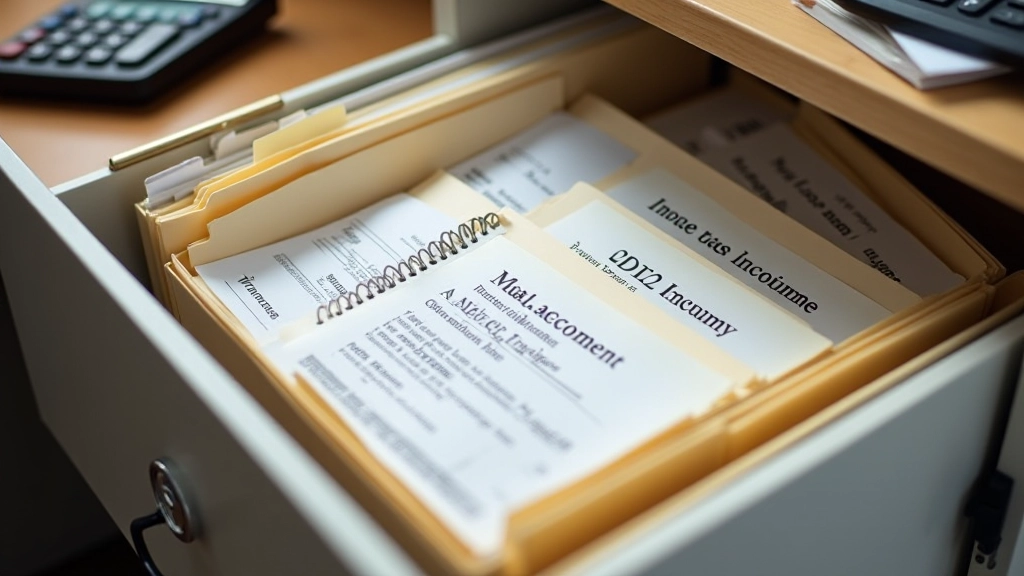
Here’s the reality that catches many business owners off guard: the deduction only counts if you can prove it. The CRA doesn’t take your word for it. They want receipts, invoices, bank statements, or credit card records that show you actually spent the money and it was for business purposes.
Keep your documentation organized. For every deduction, you should have:
Don’t throw anything away for at least six years. That’s how far back the CRA can reassess, and they take record-keeping seriously. Digital copies are fine — photograph your receipts and store them in a folder organized by month or category.
These are the deductions auditors flag most often. Avoid them and you’ll stay on solid ground:
Claiming groceries, gym memberships, or personal vehicle insurance. The CRA sees these constantly and they’re instant red flags.
Deducting amounts without receipts or proof of payment. You won’t be able to defend it if questioned.
Claiming home office expenses for 90% of your home when you use one room. The CRA has benchmarks and they’ll question outliers.
Deducting equipment purchases that should be depreciated over time. Furniture over $500 or vehicles don’t get deducted all at once.

You don’t need to bend the rules to get good deductions. There’s a lot of room within what’s allowed. Start by tracking everything. Create a system — whether it’s a spreadsheet, accounting software, or a dedicated folder — and record expenses as they happen. Don’t wait until tax time to sort through a shoebox of receipts.
For home office deductions, measure your dedicated workspace. If you have a 200-square-foot office in a 2,000-square-foot home, you can claim 10% of rent, utilities, and property taxes. It’s legitimate and the CRA expects it. Vehicle expenses work similarly — track kilometers for business use versus personal use, then claim the proportional amount of fuel, insurance, and maintenance.
Keep your books clean and honest. It’s actually simpler than trying to hide things. Auditors can spot inconsistencies, and once they’re looking, they’ll dig deeper. Professional documentation and clear organization show you’re serious about compliance, and that goes a long way if questions ever come up.

Allowable deductions aren’t a loophole — they’re a core part of how the tax system works. You earned the money, you spent it on your business, so you shouldn’t pay tax on it twice. The CRA understands this, which is why they allow deductions in the first place.
What separates businesses that sail through audits from those that face reassessments is preparation. You don’t need a fancy accounting firm or complex strategies. You need organized records, clear categorization, and a basic understanding of what qualifies. That’s it.
Start today. Go through your expenses from the past few months and sort them into categories. Set up a system that works for you. Keep your receipts. And when you file your next return, you’ll be confident that you’re claiming everything you’re entitled to — and only what you’re entitled to.
Ready to get your deductions organized? Explore our complete guides on T2 return filing and CRA compliance requirements below.
This article is educational material designed to help you understand how allowable deductions work under CRA guidelines. It’s not tax advice, and it doesn’t replace consultation with a qualified accountant or tax professional. Tax rules vary based on your specific business structure, income level, and circumstances. Every business is different, and what applies to one may not apply to another. Always verify deduction eligibility with the current CRA guidelines or consult with a professional before making decisions about what to claim on your tax return. The CRA’s regulations change periodically, so confirm current rules before filing.